If you have one day for wildlife while staying in Gqeberha, I would give that whole day to Addo. Not a few spare hours before a flight. Not a morning squeezed between the beachfront and a boat trip. A proper day, with room to stop when something is happening.
My starting recommendation is self-drive through Matyholweni near Colchester if you are comfortable driving and want to move at your own pace. Choose a collected tour if you want the transport and guiding handled together. Choose Addo Main Camp deliberately if you have booked a SANParks guided drive: those drives do not depart from the southern Matyholweni entrance.
The gate matters more than the words “near Addo”
From a Gqeberha base, Matyholweni is the southern entrance reached via the N2 and Colchester. Allow roughly 45–60 minutes to that entrance as an initial planning estimate, depending on your starting address and conditions, then allow for entry. Use a live route and the park's current directions before leaving.
SANParks advises visitors to avoid the R335 approach through Motherwell. Its current alternatives use the N2 towards Colchester or the Paterson approach, depending on which gate you need. A map app's shortest route is not a better answer than the park's own advice.
Main Camp and Matyholweni are not two labels for the same arrival point. Driving between them inside the wildlife area takes part of your outing. There are speed limits, animals and the very stops you came for. I would not enter at the southern gate shortly before a guided-drive departure from Main Camp and expect to make up time.
Choose the version of the day you actually want
| Your priority | The option I would compare first | Settle this before paying |
|---|---|---|
| Stop for photographs and set your own pace | Self-drive | Correct gate, public roads, conservation fee and exit time |
| Learn with a park guide | SANParks guided drive | Advance booking, Main Camp departure, age limits and separate charge |
| Leave city driving and guiding to someone else | A collected operator tour | Actual park visited, pickup, park fee, meal and return arrangements |
| Make wildlife the centre of the holiday | An overnight park or lodge stay | Exact location and which activities the booking includes |
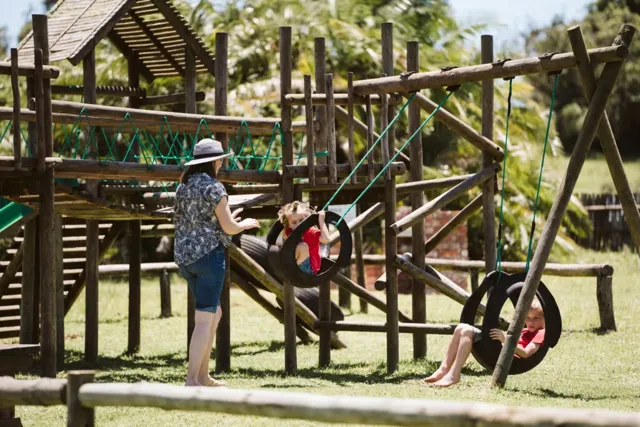
For a family self-drive, I would choose the route around breaks as well as sightings. For an open-vehicle SANParks drive, check the children's policy first; the current activity information excludes children under six. A private operator may have its own rules.
SANParks' visitor information says ordinary day visits do not require a booking, while organised activities do. That is not a promise about exceptional closures or restrictions. Check current notices and confirm any activity reservation directly.
What entry costs
Daily conservation fees depend on nationality or residency category. Bring the identification needed for the category you are claiming. The figures below are per person per day; guided activities, accommodation and other purchases are separate.
| Visitor category | Adult: through 31 Oct 2026 | Child 2–11: through 31 Oct 2026 | Adult: 1 Nov 2026–31 Oct 2027 | Child 2–11: 1 Nov 2026–31 Oct 2027 |
|---|---|---|---|---|
| South African citizen or resident with qualifying ID | R110 | R54 | R115 | R57 |
| SADC national with qualifying passport | R225 | R112 | R242 | R121 |
| Standard rate: other nationalities | R492 | R246 | R565 | R283 |
These schedules were checked on 16 October 2026 against the Addo rates page and SANParks' published 2026/27 conservation-fee document. Ages 12 and above fall in the adult column. Verify the live tariff and your eligibility before paying; SANParks states that fees may change.
For budgeting, add conservation fees for everybody, transport or fuel, your activity charge, food and any accommodation. A tour's advertised price is only comparable with another once you know whether park entry is included.
How I would shape a self-drive day
Eat before leaving or arrange breakfast with your accommodation, fill the car and have your documents ready. At the gate, get the current map, establish the exit deadline and ask about any roads or facilities affected that day. Mark the permitted places to get out before you need a break.
Choose a manageable circuit instead of trying to cover the entire game-viewing area. Main Camp is a useful named planning point for visitor facilities, but check current services and whether reaching it suits your route. Do not turn lunch there into a deadline that forces you to hurry through the southern section.
I would keep the afternoon flexible and work backwards from the exit. If a sighting holds you for longer, something else comes off the list. Addo is a poor place for a timetable that has no room left in it.
The return evening should be simple. A meal near your base, a shower and a look through the photographs make a better finish than another fixed excursion. The three-day itinerary leaves the surrounding days for the coast and city.
Taking a camera: leave room for the landscape
As a photographer, I would rather come home with a few frames that show the animal in its setting than spend the day chasing a close-up. Use the reach your equipment gives you; it is not a reason to move closer, block a road or lean out towards wildlife.
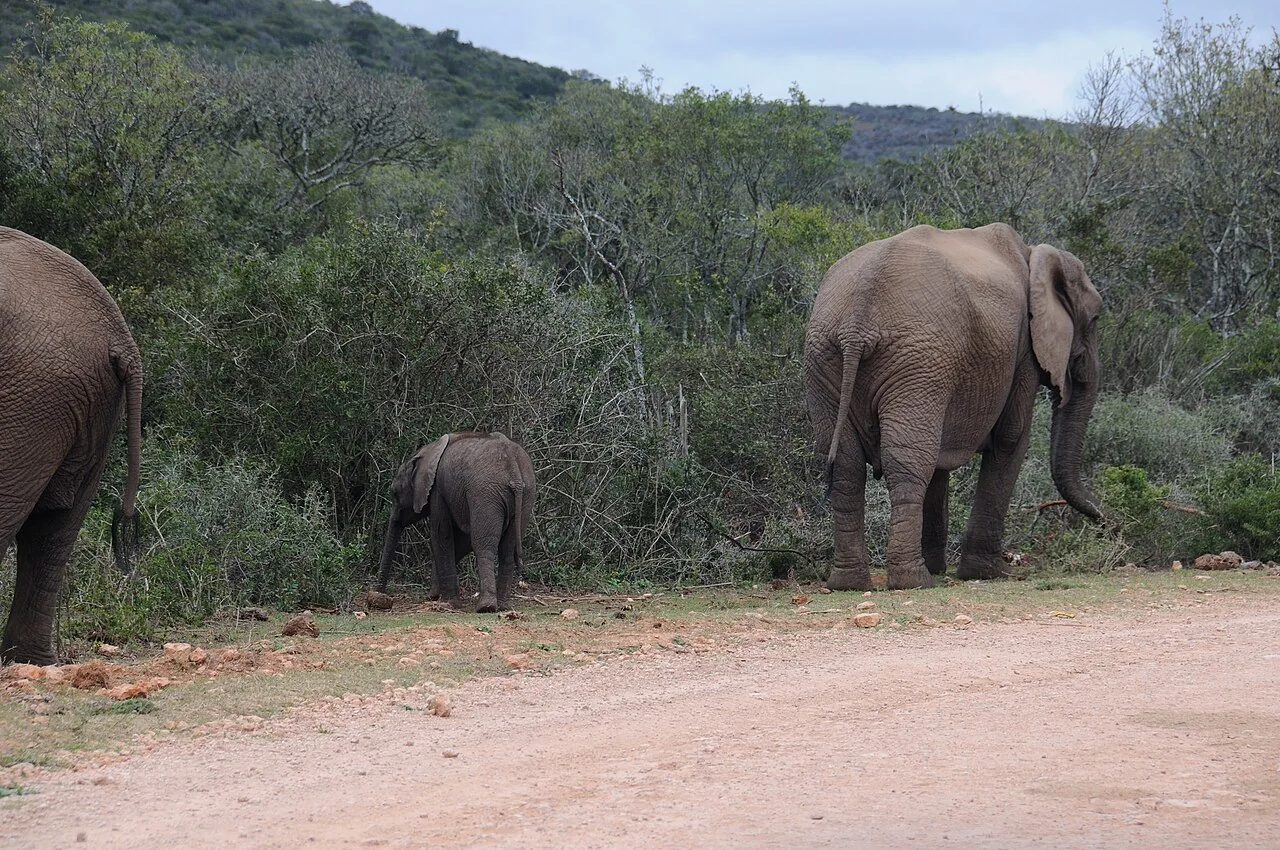
Keep the camera, water and binoculars accessible before moving off. If you are driving, stop only where permitted before using the camera. Give other vehicles room and follow the park's animal-distance rules. Elephants have the right of way; a photograph is never a reason to obstruct their path.
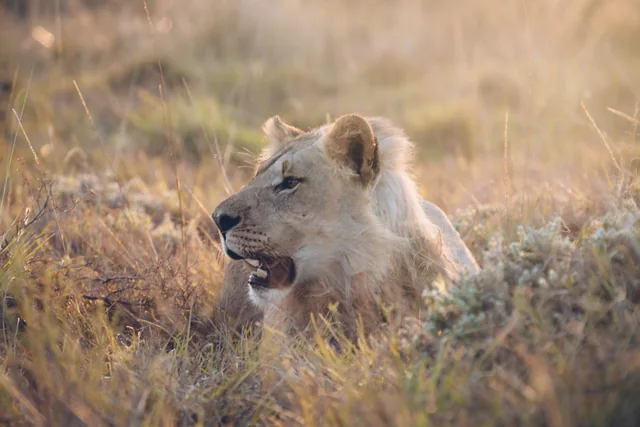
Look beyond a species checklist. The light, thicket and small details belong in the record of the day too. Lions, a particular herd or a waterhole scene are not an appointment you can book.
The things I would put in the car
- Identity documents or passports for the correct fee category, plus activity confirmations.
- Drinking water, food suited to your planned breaks and a bag for rubbish.
- Sun protection and layers for the day's weather.
- A charged phone, downloaded directions and the current park map.
- Binoculars if you have them, with camera equipment secured when travelling.
Stay in the vehicle except where SANParks specifically permits you to leave it. Follow the current rules even if another visitor is doing something different. Check toilet and food stops rather than assuming every facility in an old trip report is operating.
When I would stay overnight instead
If wildlife is the main reason for coming to the Eastern Cape, an overnight stay can give you more time and remove the pressure of returning to the city. Compare the exact camp or lodge, not just a listing that says “Addo area”. Inside the park, near Main Camp and near Colchester are different locations.
A private reserve package is a different product again. Read the Eastern Cape safari guide to compare national-park self-drive, collected day visits and lodge stays. Do not assume the animals, fees or access arrangements are the same.
Three questions worth settling before you go
Can I use an ordinary rental car?
Self-drive is available on designated public tourist roads. Check the route you intend to use, the park's current vehicle restrictions and your rental agreement. Do not assume permission for every park section.
Does conservation entry buy a guided drive?
No. Treat the daily park fee and a guided activity as separate costs unless a provider has explicitly confirmed an inclusive package.
Can I fit Addo and an Algoa Bay boat safari into one day?
I would give them separate days. Wildlife stops, the park's distances and changing sea conditions deserve some room. A quieter plan gives both experiences a fair chance.
Sources & trip checks
Planning details checked 16 October 2026. These are the park, tourism and provider references used for this guide. Confirm changing prices, access, conditions and bookings directly before travelling.
- SANParks: Addo directions and route advice
- SANParks: getting to Addo
- SANParks: Addo visitor requirements
- SANParks: Addo guided drives and age requirements
- SANParks: Addo fees through 31 October 2026
- SANParks: official fees, 1 November 2026–31 October 2027 (PDF)
Suggested routes, stay lengths and comparisons are our editorial planning recommendations. They are separate from a provider’s rules or a confirmed booking.
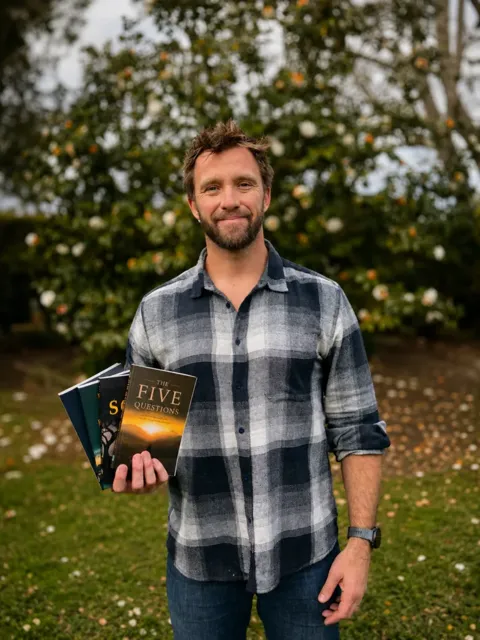
Dean Cothill
Gqeberha-based writer, photographer, open-water swimmer and Ironman athlete. I share local stories alongside researched travel advice; personal visits are identified in the writing.