Gqeberha's history and culture are best approached through places and the people who can help interpret them. Route 67, the Donkin Reserve, local food, public art and community-led experiences can connect a visitor with more than the city's outward appearance.
Begin with a guided introduction that fits your interests and available time. Ask who is leading the experience, what is included and how the visit is arranged with the people hosting it.
Route 67: public art with context
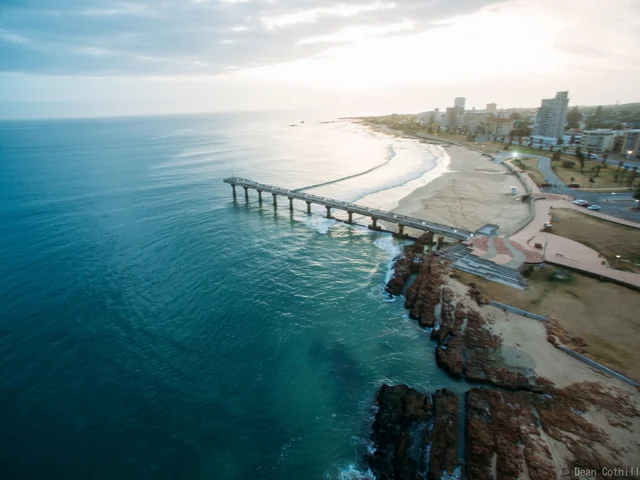
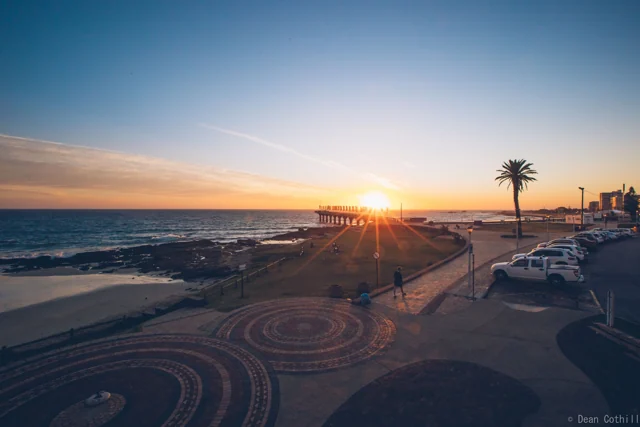
Nelson Mandela Bay Tourism describes Route 67 as a public-art project associated with Nelson Mandela's years of public service. Its route connects the Campanile and Market Square area with the Donkin precinct through artworks and city spaces.
The Mosaic Stairs, Piazza Mosaic and Voting Line are useful named works to discuss with a guide. They offer different ways into art, collective memory and the democratic transition. A photograph of the artwork is a beginning; interpretation helps explain what you are looking at.
Confirm which parts are accessible on the day and the walking requirements. Do not assume every artwork, building or linked attraction in an older route description remains intact or open.
Our original Route 67 article is preserved in the archive. Use the current tourism listing and your guide for today's itinerary.
The Donkin Reserve and its layers
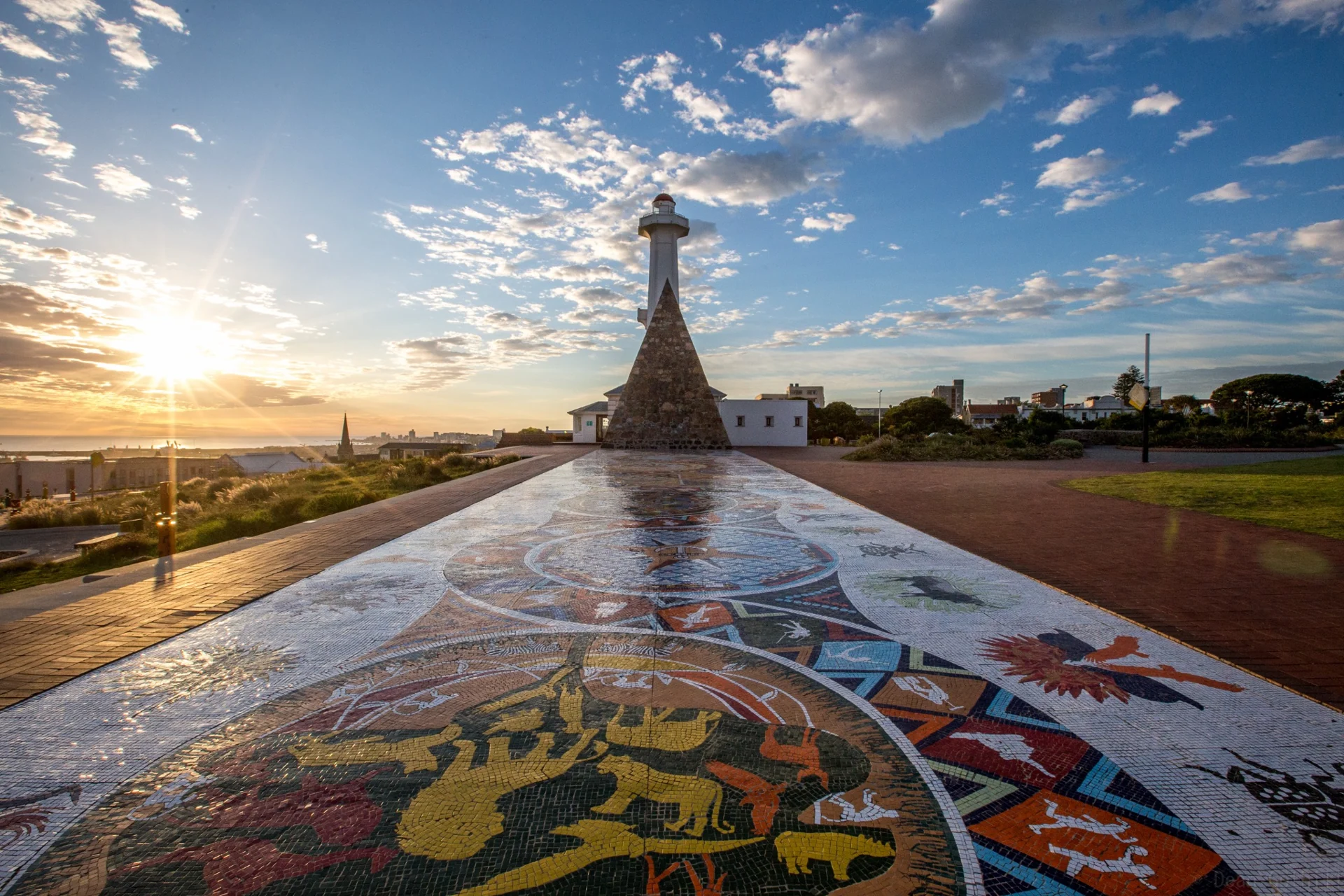
The Donkin Reserve brings the pyramid, lighthouse, public art and city outlook into one area. The tourism body's current listing dates the pyramid to 1820 and the lighthouse to 1861, while explaining the site's connection with Elizabeth Donkin.
Let the visit hold more than one history. A guide can discuss the colonial origins of the site alongside the meanings added through contemporary art and the wider city's changing story.
The lighthouse interior or climb is described as available on request, not as unrestricted access throughout the day. Ask the tourism office about current arrangements and suitability before making it central to your plan.
The earlier Donkin Reserve story provides another view of the place through the site's archive.
Community-led experiences
Afroventures currently advertises a Walmer Township Experience with a local guide, lunch and accommodation collection and return. Its broader city product includes other stops and a different programme, so choose the actual tour rather than treating the names as interchangeable.
Ask how the experience is hosted, who receives payment and what the visit includes. Confirm ages, accessibility, group size, food arrangements and where the outing starts and ends.
A neighbourhood is home to the people living there. Follow the host's lead, ask before photographing individuals or entering spaces, and accept that some encounters are not available to visitors. Give the people sharing their place room to set the terms.
Food as part of the introduction
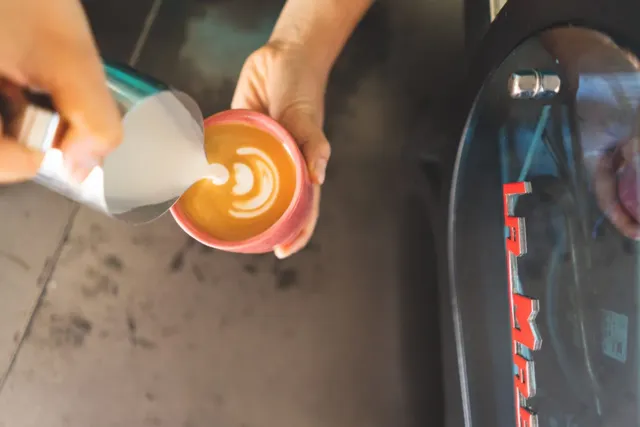
Café Riza in New Brighton presents chef Vuyokazi Duze's food through Xhosa culinary traditions. A booked meal can offer a different way into the city from a sequence of monuments.
Arrange the table and journey in advance, discuss dietary needs and ask the host what is appropriate for your group. Do not invent a cultural performance, home visit or personal story that the provider has not offered.
The food guide includes the current contact route and other dining choices. A cultural meal should have enough time of its own.
A suggested day with space in it
| Part of the day | A possible structure |
|---|---|
| Morning | A prearranged city or Route 67 walk with a local guide |
| Midday | A booked meal or hosted experience, depending on the chosen product |
| Afternoon | One accessible place that deepens an interest raised earlier |
This is an editorial structure, not a single operator package. If booking one provider's full-day tour, follow that programme and confirm its inclusions rather than adding conflicting reservations.
For a short visit, choose either a concentrated city walk or a hosted community experience and leave room to listen. Seeing fewer places with context can be more useful than gathering many names.
Booking and visiting well
Ask whether entrance charges, meals, transport and any gratuities are included. Make the meeting and finish points clear. For a walk, discuss surfaces, steps, rest stops and toilets; “city tour” does not establish a particular level of accessibility.
Use current local guidance about routes and transport. If a location or building cannot be accessed, a good guide can explain the change and suggest an appropriate alternative.
For photographs, clarify permissions and any commercial-use requirements. A person agreeing to a casual photograph does not automatically establish permission for a brand campaign.
Questions visitors ask
Do I need a guide for Route 67?
A guide adds interpretation and can help plan current access and the route. Choose around your interests and needs rather than assuming a static map explains everything.
Can I climb the Donkin lighthouse whenever I arrive?
No unrestricted access should be assumed. The tourism listing describes arrangements on request, so confirm directly.
Can this fit into a first visit?
Yes. Our three-day itinerary includes room for a guided cultural introduction alongside coast and wildlife.
Sources & trip checks
Planning details checked 16 October 2026. These are the park, tourism and provider references used for this guide. Confirm changing prices, access, conditions and bookings directly before travelling.
- Nelson Mandela Bay Tourism: Route 67
- Nelson Mandela Bay Tourism: Donkin Reserve
- Afroventures: Walmer Township Experience
- Café Riza: food, location and bookings
Suggested routes, stay lengths and comparisons are our editorial planning recommendations. They are separate from a provider’s rules or a confirmed booking.
Dean Cothill
Gqeberha-based writer, photographer, open-water swimmer and Ironman athlete. I share local stories alongside researched travel advice; personal visits are identified in the writing.